


Triviador
3.2434.00 Reviews
App Specs
- Version
- 1.8.010
- Updated On
- License
- Free
- Downloads
- 5,000,000+
- Developer
- THX Games Zrt. | Quiz & Trivia
- Categories
- Trivia
- Platform
- Android, iOS
Screenshots
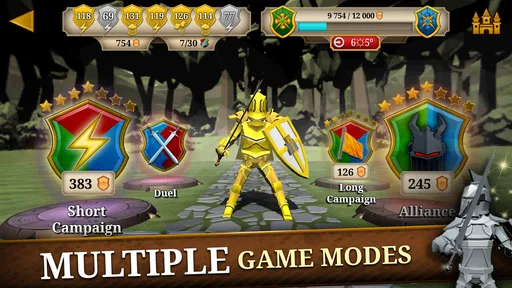
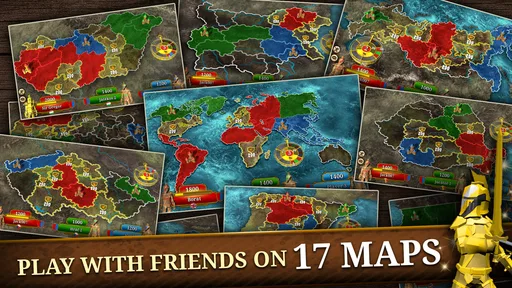
 Analysis by AppCompare
I tend to enjoy trivia more when a correct answer changes what happens next, rather than simply adding to a score. That is the hook I find in Triviador: it connects answering questions with gaining ground on a map. A match therefore asks for more than a quick fact recall; I also have to think about what claiming territory means for my position. That mix gives the game a distinct rhythm compared with quiz apps built around one question after another.
Why the map changes the quiz
In a conventional trivia game, a missed answer usually means losing points or a turn. Here, questions sit inside a territorial contest, so knowledge becomes a way to influence the board. I like that shift because it gives even familiar questions a second layer: I am not only asking myself what the answer is, but also paying attention to the consequences of getting it right.
That strategic frame is the capability worth understanding before downloading. The game is still a trivia title, not a full strategy simulation, but the map gives each answer a sense of purpose. If you enjoy making small choices under pressure, this can make a quiz feel more involved. If you mainly want a calm stream of questions with no competitive layer, the added contest may feel like extra noise.
How territory and trivia work together
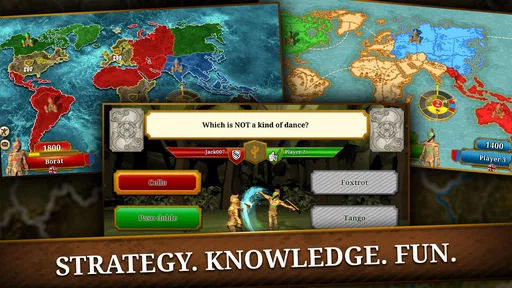
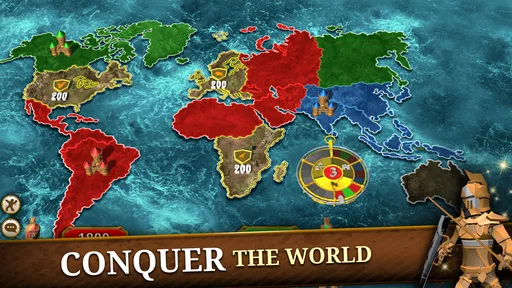
At its core, Triviador is a trivia game, but it’s not just about answering questions. Oh no, it’s about conquering territories and expanding your empire. You start on a map, and as you answer questions correctly, you gain control over different regions. It’s like Risk, but with brainpower as your main weapon. Pretty cool, right?
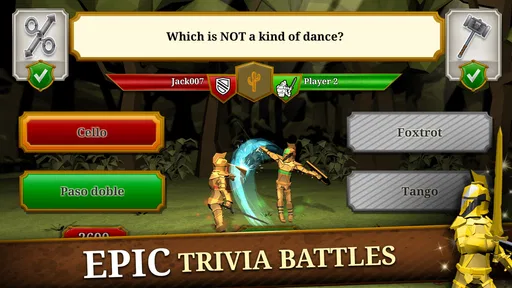
The questions cover a wide range of topics, from history to pop culture. So, whether you're a history buff, a science geek, or a movie aficionado, there's something here to tickle your fancy. I found myself learning new facts, which was a neat bonus.
What a typical session asks of you
The useful way to approach a round is to avoid treating every question as an isolated test. I try to keep one eye on the question and another on the developing map, because a correct answer matters most when it helps me make progress rather than merely proving I knew something. This is a small but important difference from a timed solo quiz: attention has to move between recalling information and following the contest.
Topic variety also affects how I play. A strong specialist can enjoy recognizing questions in a favorite area, but a match that ranges beyond that comfort zone rewards broad familiarity and a willingness to make a best judgment. I would not open it expecting a structured course or a dependable lesson plan; the learning feels incidental, coming from exposure to questions and from noticing what I did not know.
Worth Reading Before You Choose

EA SPORTS FC Mobile 26 Is a Bigger Football Game, but It Takes Time

Flipboard Shows What News Apps Must Do Beyond the Feed

Switching to Android Auto Means Rethinking Your Driving Routine

Google Calendar Makes a Crowded Week Easier to Manage

Ludo King Makes the Most of the Minutes Between Plans

Baby Panda World Brings Quick Play to Modern Phones, but Its Game Library Feels Busy
Finding the right moment to play
A realistic use is a short break when I want something more engaging than scrolling but do not feel like starting a long story-driven game. The territorial objective gives the session a clear focus, while the trivia keeps the action mentally active. I would still avoid beginning a match when I know I will need to put my phone down immediately: a competitive game is more satisfying when I can follow its progress rather than leaving in the middle.
It can also work as a shared activity when friends are in the mood to compare knowledge and talk through decisions. The social options give that situation more texture than passing a phone around for a quick quiz. For a group that prefers cooperative conversation over competition, though, a simple party quiz may be a better fit; the map contest is central here, not just decoration around questions.
Gameplay and Features
Let’s talk gameplay. The interface is super user-friendly. The developers have done a great job at making everything intuitive. You can jump into a game with friends or join a random match. The option to play with others around the world is a feature I particularly enjoy. It adds a competitive edge that keeps you on your toes.
There’s also a chat feature which is perfect for a bit of banter with your opponents. It’s all in good fun, of course. And if you’re like me and love a good leaderboard, you’ll be pleased to know that Triviador keeps track of rankings, so you can see just how you stack up against the competition.
Playing with friends, or going solo against the crowd
When I have friends available, choosing them makes the game easier to turn into a shared ritual: we can compare how we read the map and tease each other about uncertain answers. When nobody is free, the random-match option gives me a way into a contest without having to organize a group first. Those are meaningfully different moods, so I would choose based on whether I want conversation or a more anonymous challenge.
The chat and ranking features can add motivation, but they also change the atmosphere. If a leaderboard pushes you to improve, it gives a reason to return and notice progress. If rankings make a casual game feel like homework, I would ignore them and focus on individual rounds. Chat is best treated as optional social seasoning, rather than something every player needs to use to enjoy the quiz.
The social side has a trade-off
One of the standout aspects of the game is its social component. You can form alliances and strategize with friends to dominate the map. This brings a whole new level of engagement, as you and your friends can work together to take over the virtual world.
There’s something satisfying about teaming up to outsmart your opponents. It’s like being in a virtual trivia war. Plus, the alliance chat feature ensures you’re always in sync with your teammates.
That teamwork is most appealing when everyone is comfortable with both the quiz and the competitive framing. It can make a familiar group feel coordinated, but it is less useful if your friends want a purely cooperative quiz where nobody is competing for territory. I also would not assume that an alliance removes the need to answer well: the social layer can make planning more interesting, but knowledge remains the core tool.
Visuals and sound
The visuals are vibrant and engaging, with a cartoony style that’s easy on the eyes. Each map is well-designed, making the game enjoyable to look at as much as it is to play. The sound effects and background music add to the immersive experience without being overwhelming or distracting.
It feels like the perfect balance between entertainment and engagement, which is what you want in a mobile game.
The map presentation helps make territorial progress easy to follow, which matters because the board is part of the decision-making rather than a background image. For quick sessions, I would keep the visual focus on the territory and the question instead of trying to treat the game as a passive audio experience. The music and effects support the mood, but the appeal is in watching the contest develop and deciding how much attention to give it.
How it compares with other trivia games
Against a standard multiple-choice quiz, the main difference is that success has a spatial consequence: answers feed a map contest rather than only a personal score. That makes it more compelling for players who like a visible objective and a little rivalry. Compared with board-game-style strategy titles, it is much more dependent on general knowledge, so a tactical instinct alone cannot carry the experience.
I would choose a conventional quiz app when I want a quick, low-pressure knowledge check or a focused set of questions. I would pick a word or puzzle game when I want to solve something without competing against other people. This is the better fit when I want those two impulses—recalling facts and contesting space—to work together. That distinction is more useful than asking which format is universally best; they serve different moods.
Who gets the most out of it
The game is a natural fit for people who enjoy trivia but lose interest when a quiz has no larger objective. It also suits friends who like a little rivalry and players who enjoy seeing a contest unfold on a map. Newcomers do not need to be experts in every subject to have a reason to play, but they should be comfortable with questions that may land outside their strongest topics.
I would recommend skipping it if you dislike competitive play, want a quiet solo learning tool, or prefer every question to come with explanations and a clear educational path. The territorial framing is the point, so someone who wants only a bank of questions may be happier with a straightforward quiz. Likewise, if you find social features distracting, the game’s multiplayer and alliance emphasis may not be a selling point for you.
Practical details and expectations
THX Games Zrt. | Quiz & Trivia develops the game, which is free to install and is rated Teen. It has an average rating of 3.1 from around 74,000 ratings, alongside more than 5 million installs. I read that combination as a reason to set measured expectations: plenty of people have tried it, but its approach clearly will not suit everyone. The rating is not a verdict on whether the central idea works for you; the key question is whether you want trivia tied to competition.
The current version is 1.7.057, and the stated minimum operating system is Android 7.0. Optional in-app purchases range from $0.99 to $99.99 per item, so I would check the purchase prompts carefully and decide in advance whether I want to spend. The free entry point makes it easy to try the format, but the presence of purchases is worth keeping in mind if you are choosing a game for a younger player or prefer to keep mobile spending tightly controlled.
One practical tip is to treat the first sessions as a test of fit, not a measure of trivia ability. Notice whether the map makes you more interested in each answer or whether you would rather have a simple score. Another is to choose friend matches when the social side is the draw and random opponents when you want a ready-made contest. Those small choices help reveal what the game does well without expecting one mode to satisfy every mood.
Final Thoughts
So, is Triviador worth downloading? Absolutely. It’s a game that doesn’t just test your knowledge but challenges you to think strategically. It’s ideal for those moments when you want to unwind but also keep your brain active. Plus, the social elements make it a great choice if you’re looking to connect with friends or meet new people through gameplay.
Whether you’re a trivia novice or a seasoned pro, there’s something here for everyone. And the best part? You’ll actually feel smarter after playing. So, give Triviador a shot. You might just find yourself addicted to conquering the trivia world, one question at a time.
My recommendation
I would give it a try if the thought of claiming territory through general knowledge sounds more appealing than chasing a score alone. Its strongest quality is the way the map gives questions consequences, while its clearest limitation is that the same competitive structure will not suit every quiz fan. I would approach it as a social strategy-tinged trivia game, not as a comprehensive learning app, and decide after a few rounds whether that blend keeps me interested.
Pros
- Engaging multiplayer trivia battles.
- Variety of topics keeps it interesting.
- User-friendly interface design.
- Quick match setup for instant play.
- Regular updates with new content.
Cons
- Requires stable internet connection.
- In-app purchases can be pricey.
- Limited offline play options.
- Can be repetitive over time.
- Notifications can be frequent.
FAQs for Triviador
What is Triviador, and how does it work?
Triviador is an engaging online trivia game that combines knowledge and strategy. Players compete in real-time to answer questions across various topics, aiming to conquer territories on a world map. The game offers a blend of single-player and multiplayer modes, allowing users to challenge friends or random opponents, enhancing both educational and competitive experiences.
Is Triviador free to play, or does it have in-app purchases?
Triviador is free to download and play. However, it offers in-app purchases that enhance the gaming experience, such as additional power-ups or cosmetic upgrades. While the core gameplay is accessible without spending money, some players may choose to make purchases to progress faster or customize their experience.
What types of questions can I expect in Triviador?
Triviador covers a broad range of topics, offering questions in categories such as history, science, pop culture, geography, and more. The questions vary in difficulty, catering to both casual players and trivia enthusiasts. This diversity ensures a balanced challenge and helps users learn new information while playing.
Can I play Triviador offline?
Triviador primarily requires an internet connection as it focuses on real-time multiplayer battles. While some features might be available offline, such as reviewing previously answered questions, the full interactive experience, including live matches and rankings, necessitates an online connection.
How does Triviador ensure a fair gaming experience?
The game employs a matchmaking system that pairs players of similar skill levels to ensure fair competition. Additionally, Triviador regularly updates its question database to maintain accuracy and relevance, and it provides reporting features for players to flag inaccuracies or inappropriate content, promoting a balanced and enjoyable environment for all users.


